The Rise of Luther Grimes
By James Quillian,Economist, Political Analyst, Natural Law
 There was a world‑champion hog caller named Luther Grimes. He traveled the countryside winning first‑place prize money in every contest he entered. Folks said he was unbeatable. Luther didn’t brag about it, but he was making a fine living calling hogs from one end of the state to the other.
One day a newsman stuck a microphone in his face and asked, “Luther, what’s your secret? You get those pigs excited and enthusiastic. They run to you like their lives depend on it. And all they ever get is one Oreo cookie — more often nothing at all. Do you have some kind of supernatural power?”
Continue reading →
Views: 15
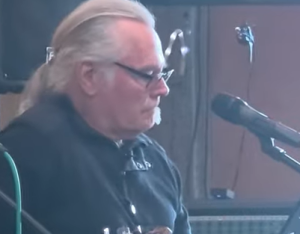 I can’t say I know Chris Waters. I do remember him from high-school as Chris Dunn. He lived right around the corner from my family. We knew each other and had a number of conversations. I did play bass behind him in the school talent show.
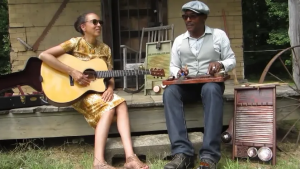 Every now and then you run across a pair of musicians who aren’t just playing songs — they’re carrying history on their backs. That’s the case with Valerie and Benedict Turner, the husband‑and‑wife team known as the Piedmont Blūz Acoustic Duo. They travel the country (and a good bit of the world) doing something rare these days: teaching America where its music came from while entertaining folks at the same time.