
How the Blues Built American Music
From hard times to a new sound
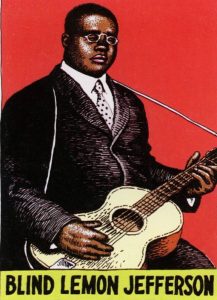 The music you hear today—country, rock, soul, bluegrass, even the pop on the radio—didn’t come from record labels or marketing departments. It came from people who had nothing but their voices, their troubles, and a need to tell the truth. Once you understand how the blues grew out of that soil, you start seeing how American music—and American life—took shape.
Two Paths That Finally Met
For centuries, music walked on two separate roads. One belonged to the wealthy. From 1750 to 1820, the golden age of classical music filled grand halls with sounds ordinary folks never heard. That world was polished, expensive, and built for people who lived comfortably.
The other road belonged to working people. Their music was homemade, rough‑cut, and honest. Songs like The Bay of Biscay, rooted in the older tune Neptune’s Raging Fury, told stories of storms, shipwrecks, and the dangers of daily life. These weren’t fantasies. They were the truth sung out loud.
When Suffering Became Sound
In the American South, enslaved people had no instruments and no freedom, but they had rhythm, voices, and a need to express what couldn’t be spoken. They built their own instruments and sang about hardship, hope, and fate. After slavery ended, the suffering didn’t. Sharecropping, lynching, and discrimination kept life hard, but the music kept coming.
Out of that pressure, Black musicians created the blues scale—especially that flatted third that hits you right in the chest. White musicians heard it and folded it into their own folk traditions. Jimmie Rodgers, the father of country music, carried that sound straight into the mainstream.
Then something remarkable happened: Black and white musicians started trading ideas. Louis Armstrong and Jimmie Rodgers recorded together. Benny Goodman spent nights in Harlem learning from Black bands and playing their style without apology. Music crossed the tracks long before society did.
The Birth of Rock and the American Sound
T‑Bone Walker electrified the blues. Chuck Berry picked up his licks and lit the fuse for rock and roll. Big Mama Thornton recorded Hound Dog; Elvis Presley turned it into a national hit. Black musicians moved to Chicago and perfected the blues that powered rock, soul, Motown, and everything that followed.
Oddly enough, African Americans rarely get full credit for building the American music industry. Without them, there would be no Nashville, no bluegrass, no Motown, no rock and roll. The entire sound of America rests on their shoulders.
Music Teaches Us More Than Music
There’s a lesson tucked inside all this. If you freeze life into a still picture, everything looks fine. But life isn’t still. It moves. And when you watch the moving picture—the long arc—you start seeing consequences.
Music has always told the truth about that. It strips away illusions. It shows what people feel, not what they’re told to feel.
Closing Thought
The blues didn’t just shape American music. It shaped the American story—raw, honest, and unafraid to tell the truth. And the least we can do is give credit where it’s due.
Views: 10